
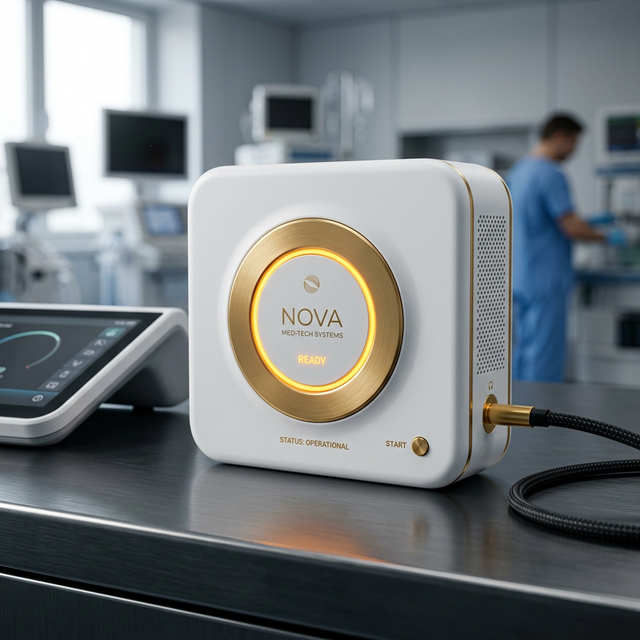
Abstract The aesthetic presentation of biomedical hardware is frequently dismissed as a superficial concern. This essay argues that premium industrial design—characterized by clean lines, high-quality materials, and intuitive visual cues—quantifiably improves user confidence, operational accuracy, and perceived clinical value.
The Psychology of Clinical Hardware Healthcare professionals operate in high-stress environments where trust in their tools is paramount. Hardware that appears utilitarian, complex, or poorly assembled induces cognitive friction. Conversely, "Apple-like" precision in design signals high engineering standards internally.
Design as a Functional Component At BiQadx, aesthetic design is treated as a functional requirement.
- •Material Selection: The use of anodized medical-grade aluminum and seamless white composites not only looks pristine but practically eliminates biofilm harboring sites compared to textured plastics.
- •Visual Affordances: Soft, glowing LED accents are not decorative; they are communicative. A shift from a soft blue idle state to a pulsing amber "processing" state provides immediate, ambient workflow context across a busy laboratory floor.
- •Aesthetic Trust: Patients and operators inherently trust equipment that looks advanced and meticulously crafted. This perception directly impacts the acceptance of decentralized diagnostic models.
Premium design is not merely about looking good; it is about engineering trust at the point of care.
Published: BiQadx Engineering Consortium